
We turn a memory, a brand or a territory into a story you move through — chapters, a map, anecdotes, portraits… The sounds and interactions we create bring the stories we carry to life.
01 — Challenges
What we offer
Make a story live, not just display it
Heritage, a brand or a memory fade without narrative landmarks. You need a thread you can follow, hear and remember.
Give the audience agency
Everyone should be able to enter the story at their own pace: content must be designed for every audience and offer freedom — to be carried along, or to choose a guided narrative.
Hold emotion and rigour together
Immersion must never dilute the substance. It gives body to the content and makes it easier for each person to take ownership of it.
02 — Deliverables
What we design
Guided narrative
“Story” mode, chapters, voice-over and travelling shots: a thread you follow, from the first gesture to the last step.
Interactive elements
Mini-interactions within the content that put the emphasis on a precise point.
Scroll-driven narrative site
The story unfolds with the gesture: a brand, an object, a light that shifts as you move forward.
Map, archive or territory told
Places, objects and fragments tied to a narrative: an artist’s life, the gesture behind a work, the story of a city.
03 — Method
How we work
Narrative material
Stories, archives, objects, testimonies: we gather what must be said, and what the audience must understand, feel and retain — giving it an angle that will shape the experience.
Scenario and journey
Chapters, entry points and type of reading: be guided, or explore freely. The experience is written as a storyboard.
Art direction and sound
Visual world, voice, atmospheres: what you see and what you hear carry the story as much as the text.
Prototype and release
A fast narrative prototype to validate the fluidity of the user experience, then development, testing on every device, launch and usage follow-up.
04 — References
Projects
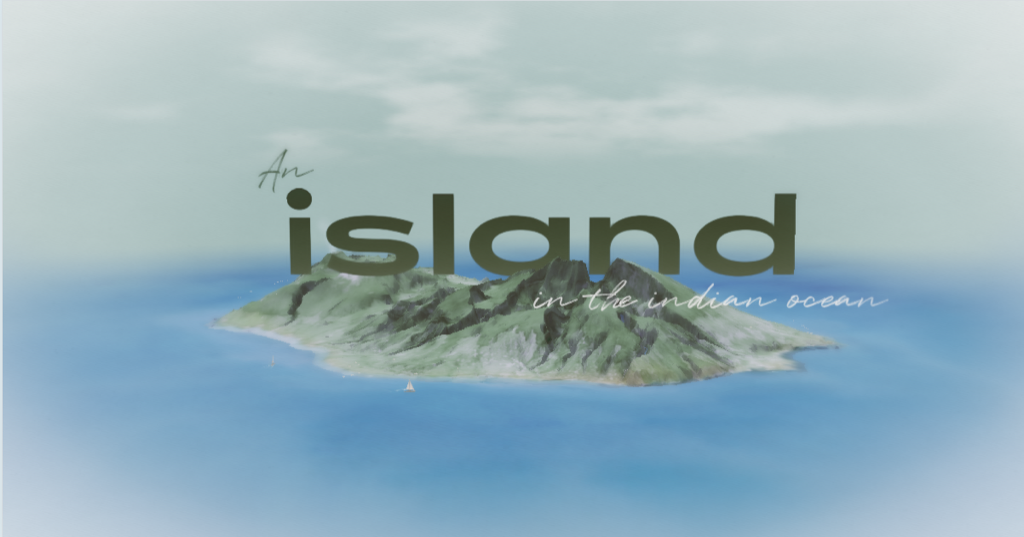
Feel the experience of a crossing of Réunion
- Cartographies
- Culture & heritage
View the project
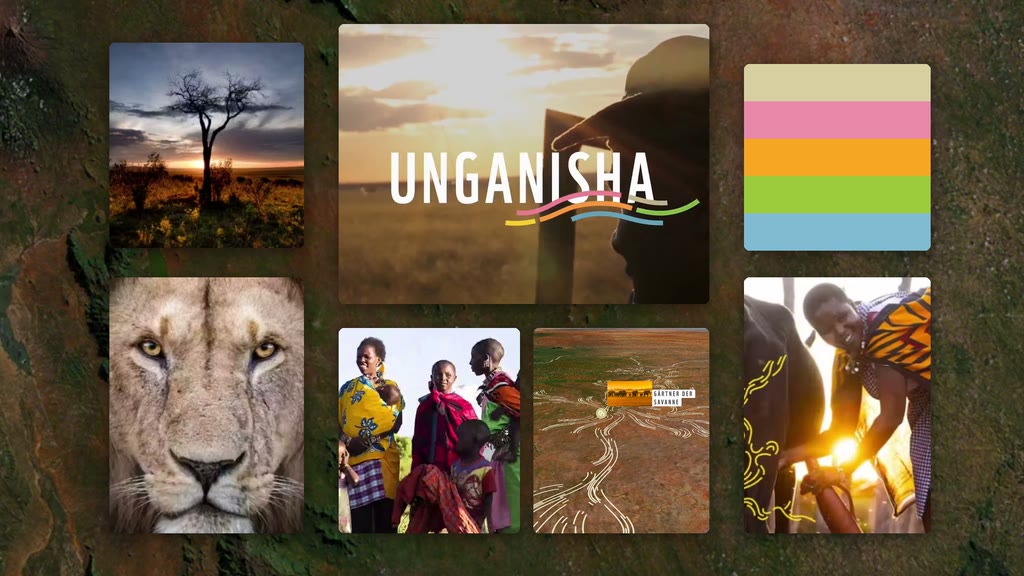
Raise awareness of WWF’s concrete actions
- Cartographies
- Institutions & NGOs
View the project
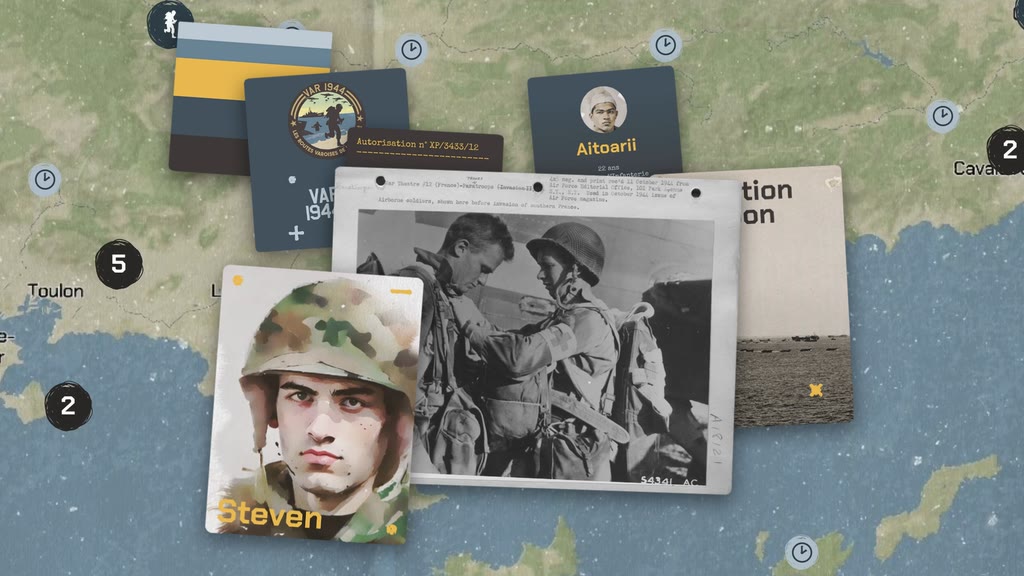
Bring history back to life through an interactive, immersive experience.
- Cartographies
- Culture & heritage
- Institutions & NGOs
View the project
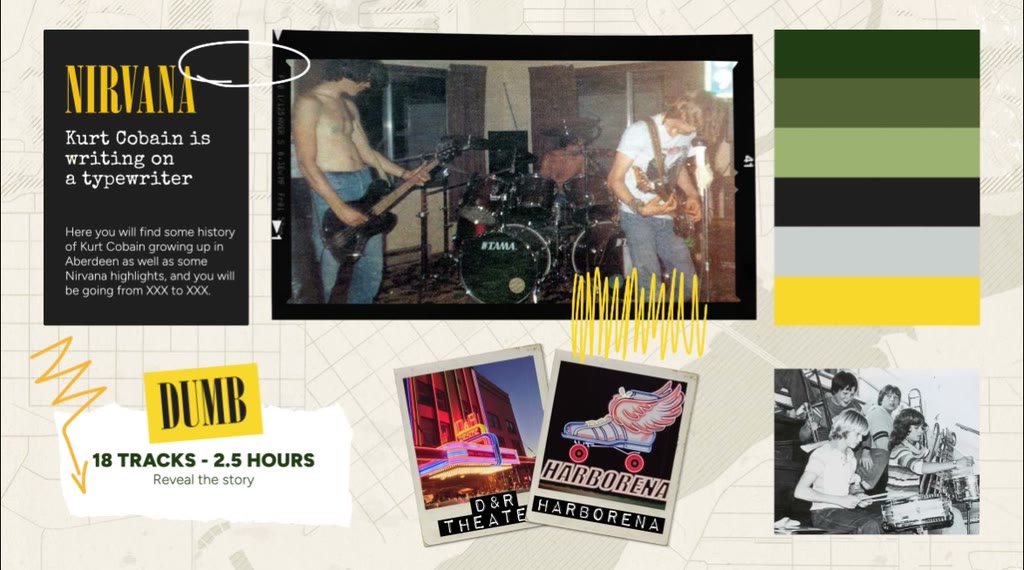
Bring the roots of grunge to life through an interactive journey across the landmark places of Kurt Cobain’s childhood
- Cartographies
- Culture & heritage
View the project
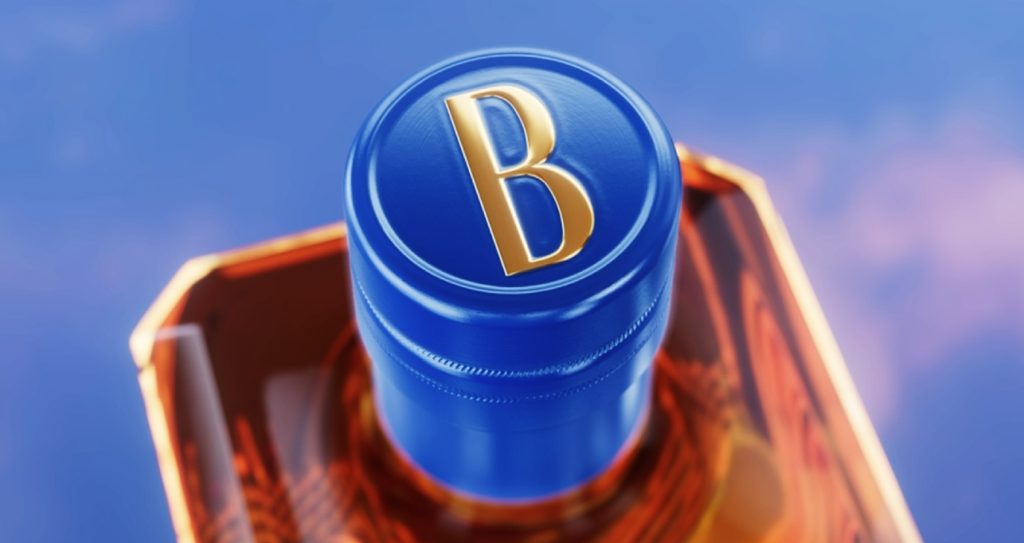
Elevating the excellence of French whisky through a bespoke digital experience.
- Brands & luxury
View the project
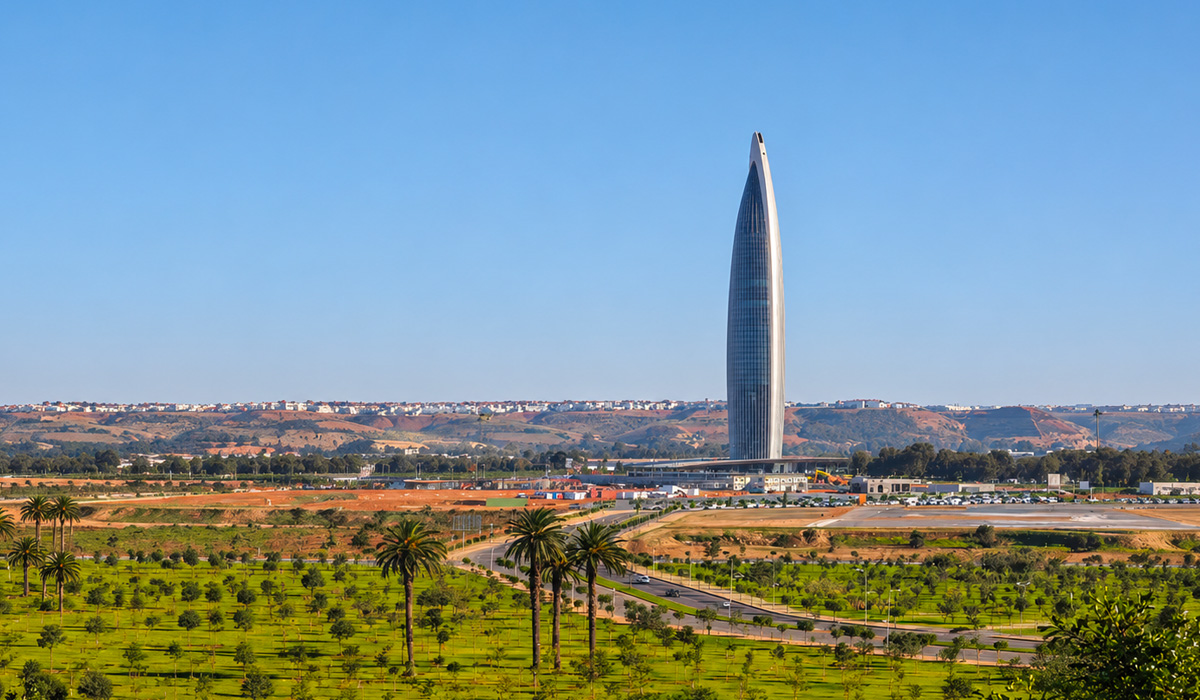
Enter the landscape.
- Cartographies
- Culture & heritage
- Installations
View the project
Ques — tions
Is immersive storytelling a film?
No. It is an experience you move through. You go forward, choose, come back. The story is built with the gesture, not only with the passing of time.
Is a map always required?
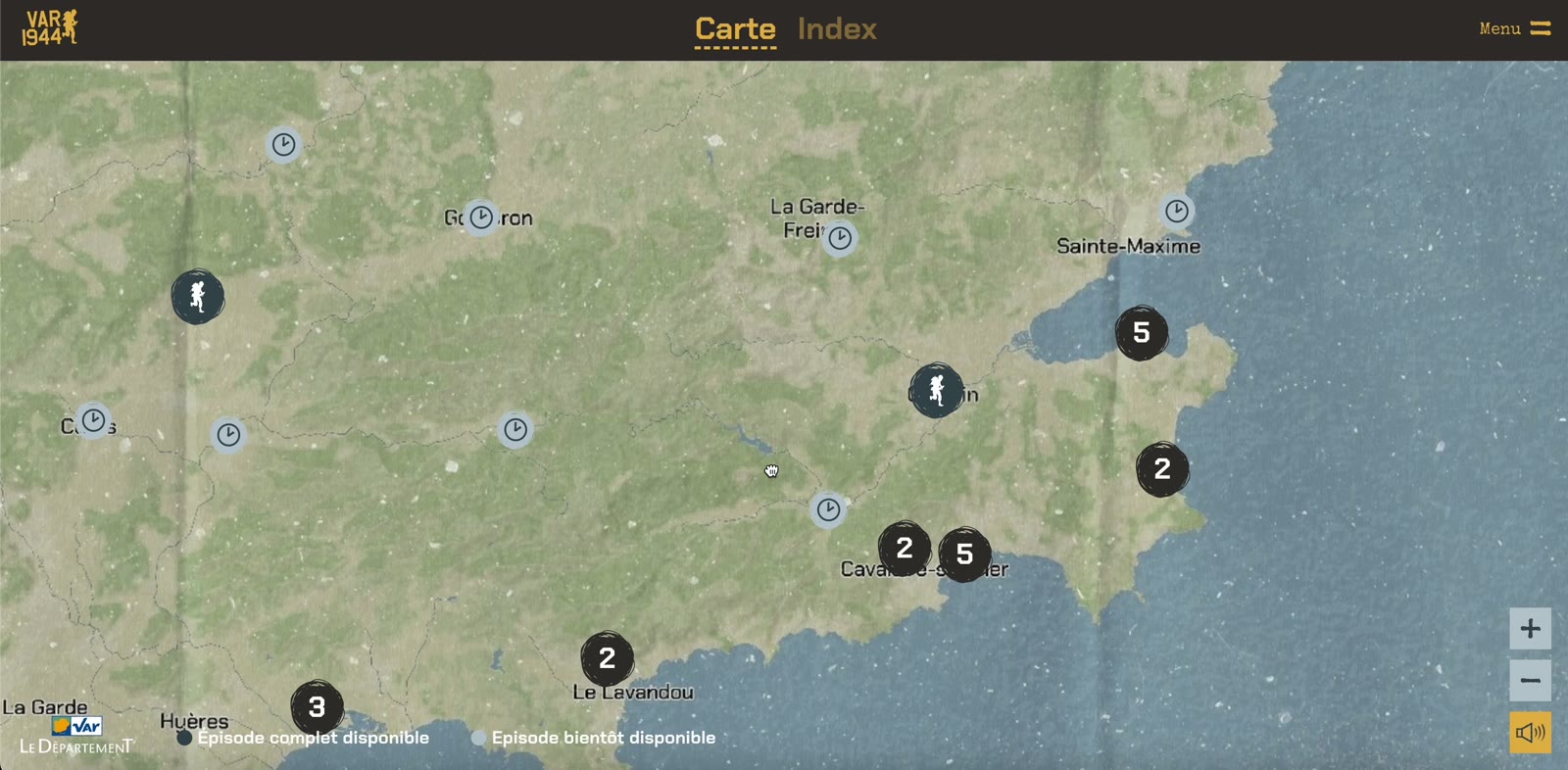
No. The map is one possible thread, like scroll, portrait or archive. For An Island, the territory carries the story; for Bellevoye, it is the scroll; for Var 1944, it is 80 portraits from the Provence landings.
Do you work from existing archives and testimonies?
Yes. We start from the project’s material: voices, objects, places, portraits. For Var 1944, 80 stories of fighters and civilians. For The Great Harvest, the history of fragments left by the artists: where the objects come from, what inspired them, how they worked. For Unganisha, the guided stories and WWF’s field actions.
On which formats does the experience live?
On the web, as a mobile app, and on site. Grungeology tells the life of Kurt Cobain and the birth of grunge, online or in Aberdeen. An Island is first read on a phone. The Mohammed VI Tower tells Rabat from the Observatory.