
We design interactive experiences in harmony with the venue’s scenography. The experiences we propose do not replace the visit — they offer visitors a new reading of it.
01 — Challenges
What we offer
Adapt content to use
Whether indoors or outdoors, the experience must fit the space, account for visitor flow and the time of the visit.
Make the gesture immediate
No complex tutorial. You point, you touch, you turn. The interaction is understood in a second, with no friction for the user.
Last over time
Light, orientation, wear, several people at once: the experience must stay robust, proven for reliability over the life of an exhibition or a permanent installation.
02 — Deliverables
What we design
AR tablet app
In the observatory of the Mohammed VI Tower, visitors point their tablet at the panorama: markers reveal Rabat, archives, maps and stories.
Touch table
At the Mucem, a table at the end of the exhibition leaves free exploration of the origins of more than 6,000 collection objects, including those encountered during the visit.
Orientable screen
The Periscope brings The Great Harvest into the reading space at the Fondation Cartier: turning the screen lets visitors freely explore the collective work, fragment by fragment.
Mobile app
For the Var département, 80 narrative episodes are encapsulated in the VAR1944 app, available remotely or on the sites of the Provence landings.
03 — Method
How we work
Place
Architecture, journey, scenography, audience and content: we do not deploy off-the-shelf solutions — we create the one that fits the place.
Interaction
Which interaction is the right one? Aim at the landscape, place a hand, turn a screen. Depending on the audience and above all the content, we define the interaction that will be tested as a prototype from the earliest stages of the project.
Development
App, touch table or 3D scene linked to the physical device. Calibration of sensors, orientations and content. Development is rigorous and flexible, allowing the adjustments often needed at the end of a project.
Installation and follow-up
Setup, testing in real conditions, fine-tuning, training for front-of-house teams. Our support continues once the system has been delivered.
04 — References
Projects
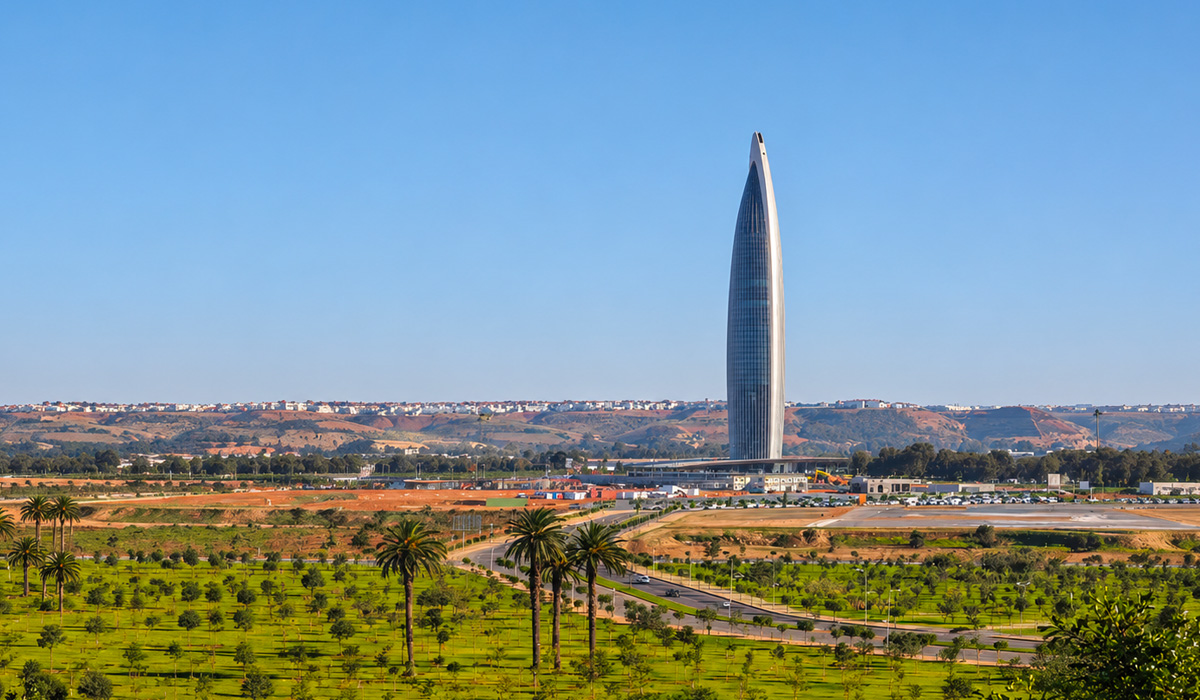
Enter the landscape.
- Cartographies
- Culture & heritage
- Installations
View the project
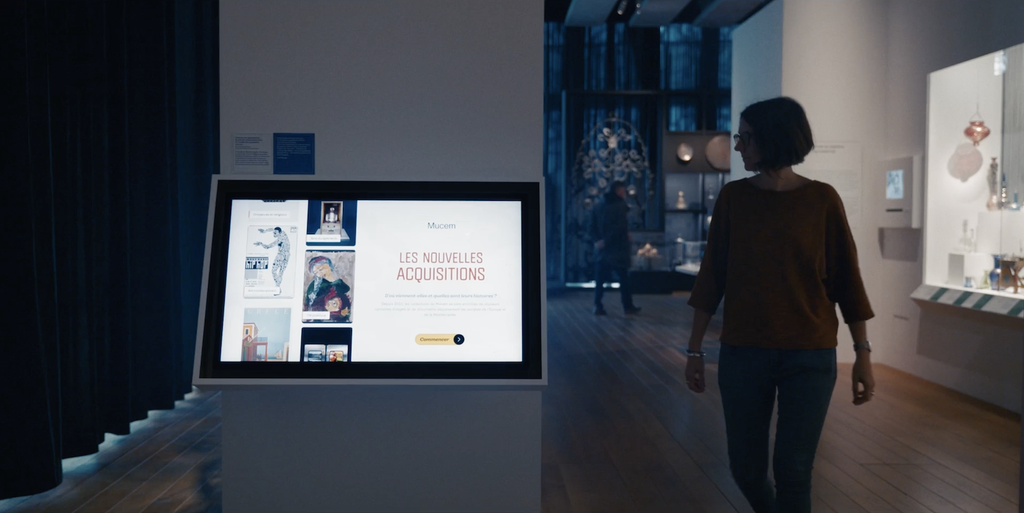
More than a museum, a setting that holds hidden treasures.
- Cartographies
- Culture & heritage
- Museums
View the project
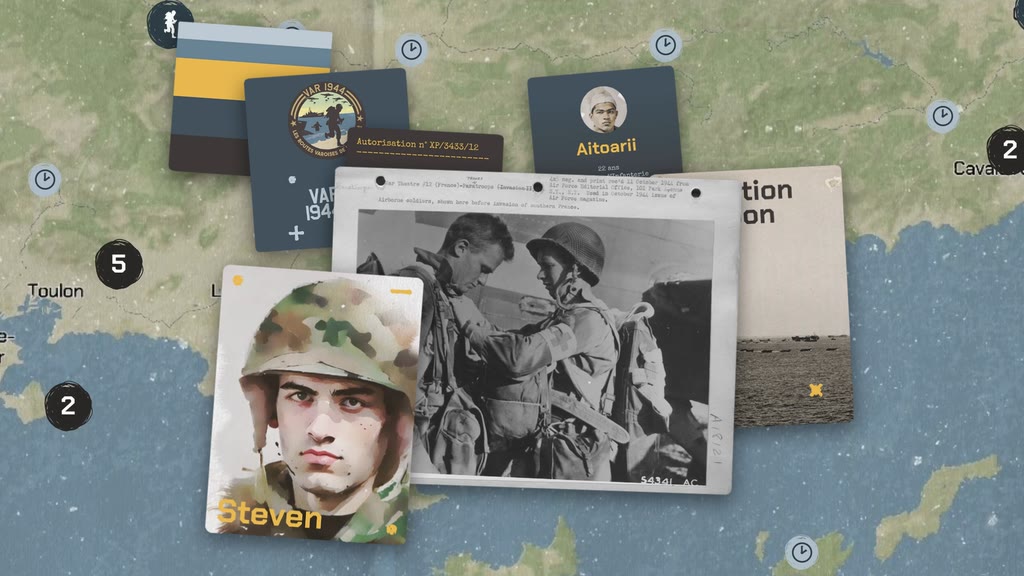
Bring history back to life through an interactive, immersive experience.
- Cartographies
- Culture & heritage
- Institutions & NGOs
View the project
Step into the heart of the work, in the galleries.
- Culture & heritage
- Museums
- Institutions & NGOs
- Installations
View the project
Ques — tions
Is a screen always required?
No. We also create sensory experiences — sound, touch and visual — without a screen.
Can a web experience be brought on site?
Yes, by adapting it. The Periscope brings the work of The Great Harvest into the galleries. The gesture changes: you turn a screen instead of swiping a finger.
Grungeology also lives in situ in the museum space on a touch table.